Sporting and Working Dog Physiotherapy
Performance Enhancement for Dogs who Give Everything
Specialist veterinary physiotherapy for sporting and working dogs — keeping your dog stronger, more resilient, and performing at their best.
❋ Performance Enhancement
Optimising your dog's muscle balance, joint mobility, and neuromuscular coordination allows them to move more freely and efficiently — unlocking the full physical potential their sport or role demands.
❋ Injury Prevention
Regular physiotherapy assessment identifies subtle muscular asymmetries, areas of tension, and early compensatory movement patterns before they develop into injury, keeping your dog working safely season after season
❋ Faster Recovery
Targeted manual therapy, laser treatment, and structured rehabilitation support the body's natural healing processes — reducing recovery time after competition, intensive work, or injury and getting your dog back to their best sooner
❋ Detect Compensations
Dogs are stoic by nature and will often continue working through discomfort — a thorough hands-on assessment can reveal hidden tension, restricted movement, and subtle gait changes that would otherwise go unnoticed until a more serious problem develops.
No Veterinary Referral Required for Maintenance and Performance Care
Unlike post-operative or injury rehabilitation, sporting and working dogs can receive physiotherapy for maintenance purposes without a referral from your vet. This means you can book directly for performance assessments, conditioning programmes, maintenance sessions, and pre/post-competition care — giving your dog the proactive support they deserve, when they need it. Rehabilitation cases following surgery or significant injury do require veterinary referral — please contact us if you are unsure which applies to your dog.
Your Dog is an Athlete. Treat Them Like One.
The physical demands placed on sporting and working dogs are extraordinary. Physiotherapy ensures their body is equal to every challenge their role requires
Gundogs & Field Dogs
Long days in cover, repetitive retrieving, and varied terrain place enormous demands on muscles, tendons, and joints. Physiotherapy keeps gundogs supple, balanced, and able to work season after season without the accumulation of hidden strain
Racing & Coursing Dogs
Maximum sprint speed creates intense musculoskeletal loading. Regular physical assessment identifies asymmetries, tightness, and emerging compensatory patterns before they develop into injury — protecting performance and career longevity.
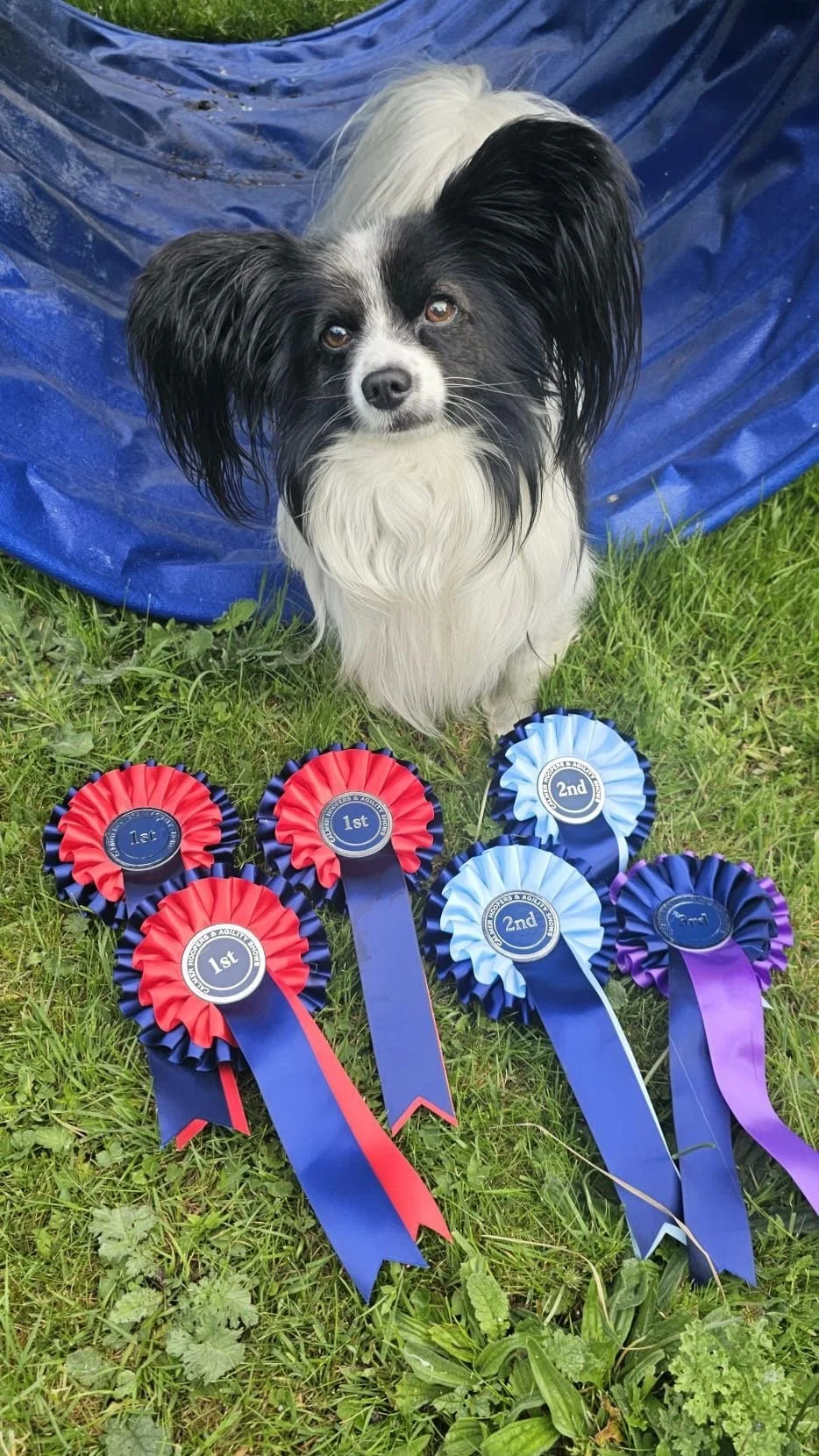
Agility, Flyball & Dog Sports
Explosive changes of direction, jumping, and weaving demand exceptional core strength and body awareness. Targeted conditioning and manual therapy help reduce contact injuries, maintain clean movement, and support competitive longevity.
Canicross & Endurance Dogs
Sustained effort over distance places unique demands on cardiovascular fitness, gait mechanics, and soft tissue resilience. Regular physiotherapy assessment monitors these dogs through their training seasons and supports recovery between events.
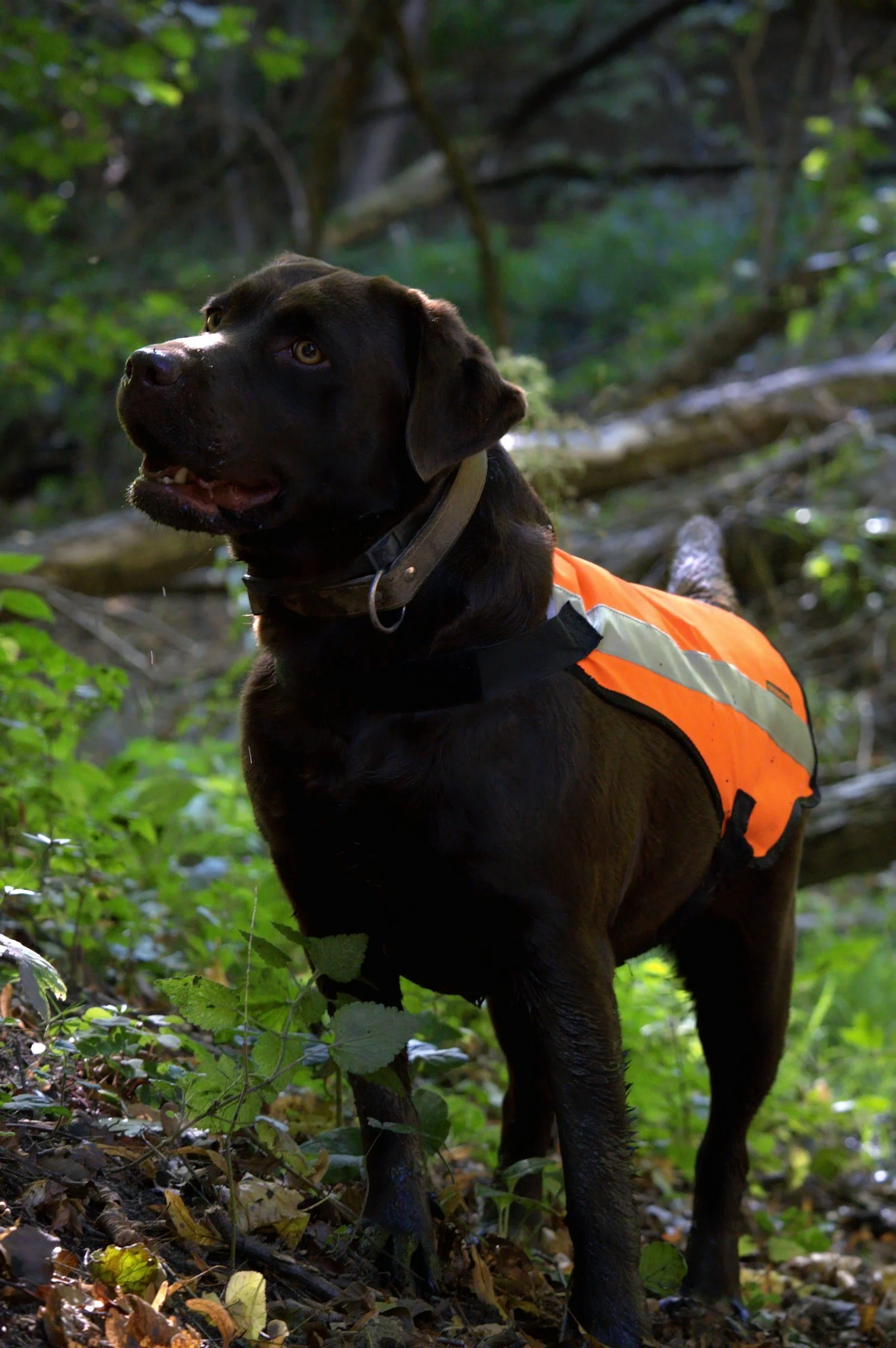
Police, Military & Search & Rescue
Service dogs operate in high-impact environments, often carrying protective equipment. Physiotherapy supports physical readiness, identifies the strain of operational work, and helps these vital animals maintain the fitness their role demands.
Herding & Farm Dogs
Daily high-mileage work across uneven ground creates cumulative physical stress. Maintenance physiotherapy helps detect early signs of wear, addresses postural asymmetries, and keeps working farm dogs mobile and effective throughout their careers.
Why Physiotherapy for a Healthy Dog?
Many owners assume physiotherapy is only relevant after an injury. In fact, the greatest value in veterinary physiotherapy for sporting and working dogs lies in proactive, maintenance-based care — the same philosophy that drives human elite sport. Identifying and resolving subtle movement asymmetries, muscular imbalances, and postural compensations before they become injuries is both kinder to your dog and far more cost-effective than treating the consequences.Detect Hidden Compensations Early
Dogs are stoic — they often continue working through discomfort. A trained eye and hands can identify subtle gait changes, muscle asymmetries, and areas of tension long before lameness becomes visible.
Enhance Athletic Performance
Optimised muscle function, joint mobility, and neuromuscular coordination translate directly into better performance — greater speed, agility, endurance, and precision of movement.
Reduce Injury Risk
Targeted conditioning strengthens the muscles and connective tissues most vulnerable to overuse and trauma, reducing the likelihood of soft tissue injuries, particularly in the lumbar spine, shoulder, and hip regions.
Support Season-Long Careers
Regular maintenance sessions allow the physical effects of a competitive season to be managed progressively, preventing the accumulation of subclinical strain that shortens working lives.
Optimise Recovery Between Events
Post-competition physiotherapy assists muscle recovery, reduces delayed onset muscle soreness, and restores full range of motion — helping your dog bounce back faster and perform consistently.
What The Research Tells Us
78%
of racing Greyhounds assessed post-race showed soft tissue injuries that would not have been identified without structured physical examination (Guilliard, 2000)
60%
of agility dogs in one study showed evidence of musculoskeletal pain or impaired movement — many were still competing (Prydie and Hewitt, 2015)
↑
Core and proprioceptive training in canine athletes measurably improves dynamic balance and reduces peak joint loading (Millis and Levine, 2014)
What We Offer
Treatment & Conditioning Modalities
Each assessment leads to an individually tailored programme. The modalities below are selected and combined based on your dog's specific sport, role, and physical findings
Soft Tissue & Manual Therapy
Targeted massage, myofascial release, and trigger point therapy address areas of muscular tension and scar tissue. Particularly valuable for the epaxial muscles, shoulder, and hindquarter regions in working dogs.
Outcome: reduced tension · improved range of motion
Photobiomodulation (Laser Therapy)
Low-level laser therapy (LLLT) stimulates cellular repair, reduces inflammation, and accelerates soft tissue healing. Effective for overuse injuries, minor strains, and post-exercise recovery in active dogs.
Outcome: faster healing · reduced soreness
Therapeutic Exercise & Conditioning
Structured programmes targeting core strength, proprioception (body position awareness), balance, and sport-specific movement patterns — designed to be continued at home between sessions.
Outcome: stronger · more coordinated · more resilient
Neuromuscular Electrical Stimulation
NMES targets specific muscle groups to enhance activation, combat atrophy, and re-educate neuromuscular firing patterns — particularly useful following periods of reduced activity or where specific weaknesses are identified.
Outcome: improved muscle activation · reduced atrophy
Breed & Discipline Focus
Common Physical Challenges by Discipline
Different sports and working roles create predictable patterns of physical stress. Understanding these allows for targeted, preventative care.
Field Sports & Gundogs
Season-Long Field Work
Repetitive retrieving stresses the forelimb and shoulder complex. Working in heavy cover and across uneven terrain creates cumulative lumbar and hip loading. Spaniels are particularly prone to shoulder issues; HPR breeds and Retrievers frequently develop epaxial muscle tightness and hip asymmetry through the season.
Agility & Dog Sports
Explosive & Repetitive Athletic Effort
Jump take-off and landing forces concentrate stress through the forelimb, shoulder, and spine. Weave poles demand rapid lateral flexion of the lumbar spine. Dogs competing at high frequency are at particular risk of cumulative overuse injury — especially in the iliopsoas muscle group and thoracolumbar junction.
Racing & Coursing
Maximum Sprint Biomechanics
Sighthounds generate extraordinary forces through their musculoskeletal system at top speed. Hock and stifle injuries, gracilis and iliopsoas tears, and back muscle strain are common sequelae of racing and coursing. Structured post-race assessment and recovery support are central to long-term soundness.
Working & Service Dogs
High-Mileage & Operational Demands
Police, military, and herding dogs cover enormous daily distances and often work on demanding surfaces. German Shepherds and Malinois are predisposed to degenerative lumbosacral disease; working Collies accumulate hip and stifle wear. Regular physiotherapy can meaningfully extend their operational lifespan.
Common Questions
Frequently Asked Questions
Do I need a veterinary referral to book a maintenance session?
No. Sporting and working dogs can attend for physiotherapy for maintenance and performance purposes without veterinary referral. This is one of the distinct advantages of proactive maintenance care — you can book directly at any time. If your dog has recently had surgery, been diagnosed with a significant orthopaedic or neurological condition, or is undergoing active veterinary treatment, a referral will be required. Please contact us if you are unsure which applies to your dog.
How often should a sporting or working dog have physiotherapy?
This varies considerably depending on the dog's discipline, workload, age, and individual physical findings. Many owners of high-frequency competitors or working dogs opt for monthly or six-weekly maintenance sessions during peak season, with a more detailed assessment pre- and post-season. An appropriate frequency will be recommended following your dog's initial assessment.
My dog seems completely fine — why would they need physiotherapy?
Dogs are remarkably stoic animals. Research consistently demonstrates that significant soft tissue tension, muscular asymmetry, and early joint changes can be present long before any visible lameness or behavioural change. By the time a performance-related problem becomes obvious, the underlying issue is often well established. Maintenance physiotherapy is about identifying and addressing these subclinical changes before they progress — it is genuinely preventative rather than reactive.
Can physiotherapy improve my dog's competition performance?
Yes — though the mechanism is usually the removal of limitation rather than the addition of capacity. A dog moving freely, with balanced musculature, good body awareness, and no areas of restriction or compensation, will naturally express better performance than one carrying unresolved physical tension. Many handlers report improved movement quality, faster times, and more confident performance following a course of physiotherapy and tailored conditioning.
Where are you based?
We are based at Old Flatts Farm, Treeton — conveniently located between Rotherham and Sheffield, with good access from across South Yorkshire and the surrounding area. Please get in touch to discuss your dog's needs and to arrange an appointment.